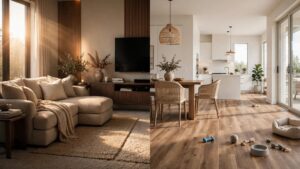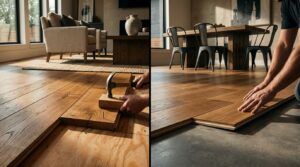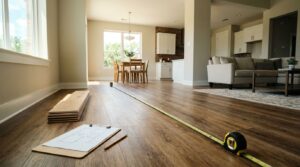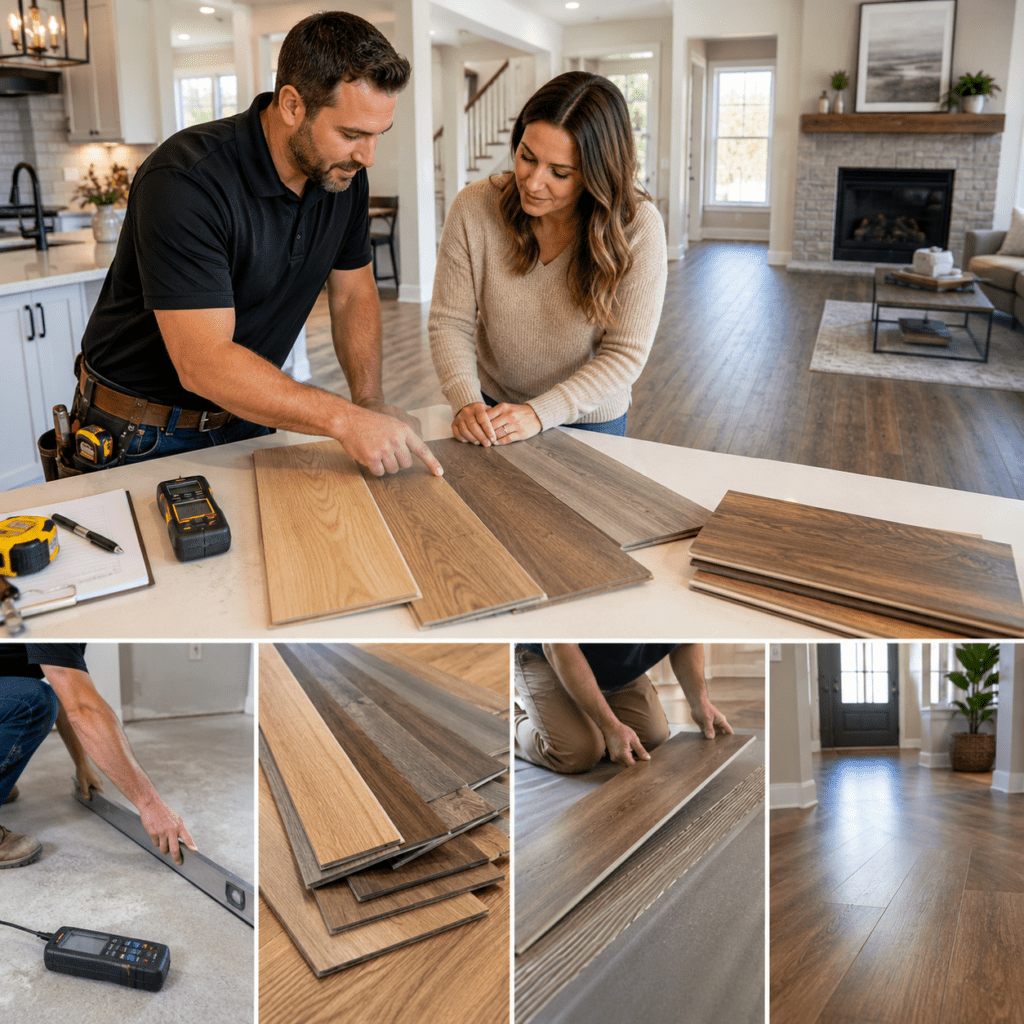
Few updates change a home’s feel as fast as new floors. If you’re weighing hardwood floor installation, the short answer is yes, it can improve your home’s appeal and help its value, especially when the material and install fit North Texas conditions.
Still, wood alone doesn’t guarantee a smart return. In Denton, DFW, and across North Texas, Texas humidity, foundation movement, pets, and heavy foot traffic all shape which floors hold up best. That local reality is where the real value starts.
Does hardwood floor installation increase home value?
Yes, it often does, because buyers notice quality floors right away. Hardwood flooring gives your home a cleaner, more finished look, and that matters the moment someone walks in or scrolls through listing photos.
A well-done floor update also signals care. Buyers may not know how old your HVAC is, but they can see worn seams, faded finishes, and dated surfaces in seconds. When your floors look fresh and timeless, rooms feel more move-in ready.
Another plus is longevity. Unlike many short-life finishes, hardwood can often be refinished instead of fully replaced. That gives buyers a sense that the floor has years left in it, which can make the price feel easier to justify.
If you’re comparing options, professional Hardwood Flooring Installation usually makes the biggest impression in living rooms, dining rooms, hallways, and bedrooms. Those are the spaces where buyers expect warmth and continuity.
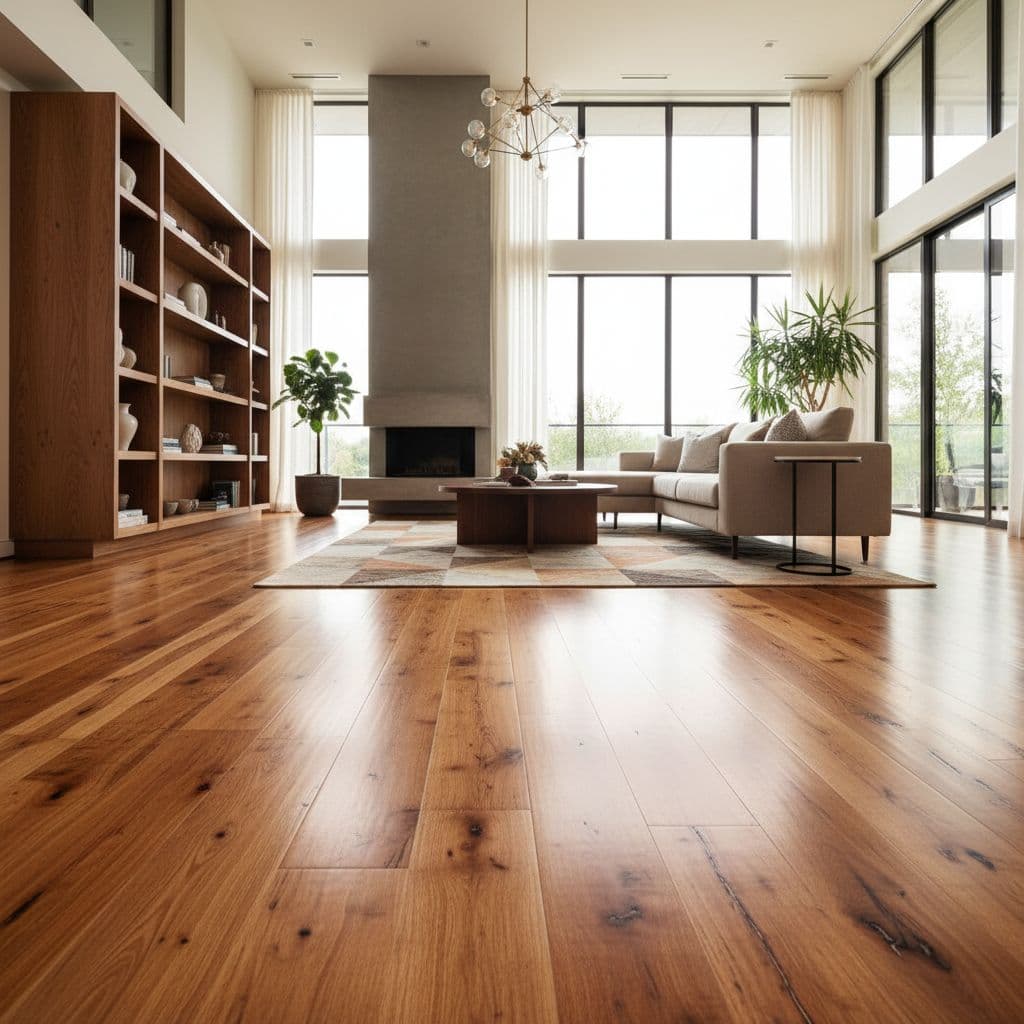
That said, value comes from the full result, not only the material. Good layout, clean transitions, proper prep, and a finish that suits your home all matter. A smart flooring replacement should make the home feel more current, not like a patchwork of mismatched rooms.
Why Denton and DFW buyers look past the surface
In North Texas, buyers care about how a floor was installed, not only how it looks on day one. Heat, humidity swings, and slab movement can turn a beautiful floor into a problem if the prep was rushed.
This is where local experience matters. A strong install plan includes moisture checks, subfloor leveling, expansion space, and material choices that fit the room. If you’re choosing a flooring contractor in Denton TX, ask how they handle slab conditions and seasonal movement.
That question matters because hardwood reacts to moisture. Boards can expand, shrink, cup, or gap when conditions change. In a region where summer humidity rises and foundations shift, those details affect both appearance and long-term value.
When you compare quotes for flooring installation Denton TX homes need, don’t stop at price per square foot. Ask what prep is included. Ask how they handle uneven subfloors. Ask whether the product makes sense for your traffic, your pets, and your floor plan.
The floor that adds the most value is the one that still looks good after years of Texas living.
That’s also why durable flooring for Texas homes is such a practical way to think about resale. Buyers want beauty, but they also want fewer headaches after move-in.
Is hardwood or LVP better for your home’s value?
Hardwood usually wins on prestige, but luxury vinyl plank flooring often wins on everyday practicality. If your house has kids, pets, or frequent spills, the best value may come from choosing the right material for each room instead of forcing wood everywhere.
Solid wood still carries a premium look. Yet many Denton homeowners find that engineered hardwood flooring makes more sense in spaces where humidity shifts are a concern. Its layered construction can offer better stability while keeping the real-wood surface buyers love.
At the same time, luxury vinyl flooring has become much stronger in the resale conversation. Today’s wood-look planks fit modern flooring styles, photograph well, and handle real life better than many older products did. If you want premium style without constant upkeep, Luxury Vinyl Plank Flooring is worth a close look. So are Waterproof Flooring Options for kitchens, baths, laundry rooms, mudrooms, and homes with dogs.
This quick comparison can help you narrow it down:
| Flooring type | Best fit | Home value angle |
|---|---|---|
| Solid hardwood flooring | Main living areas, bedrooms | Highest traditional appeal |
| Engineered hardwood flooring | Homes with humidity swings | Real wood with better stability |
| Luxury vinyl plank flooring | Busy family homes, pets, spills | Strong look, lower maintenance |
| Laminate flooring | Budget-conscious updates | Clean refresh, lower cost |
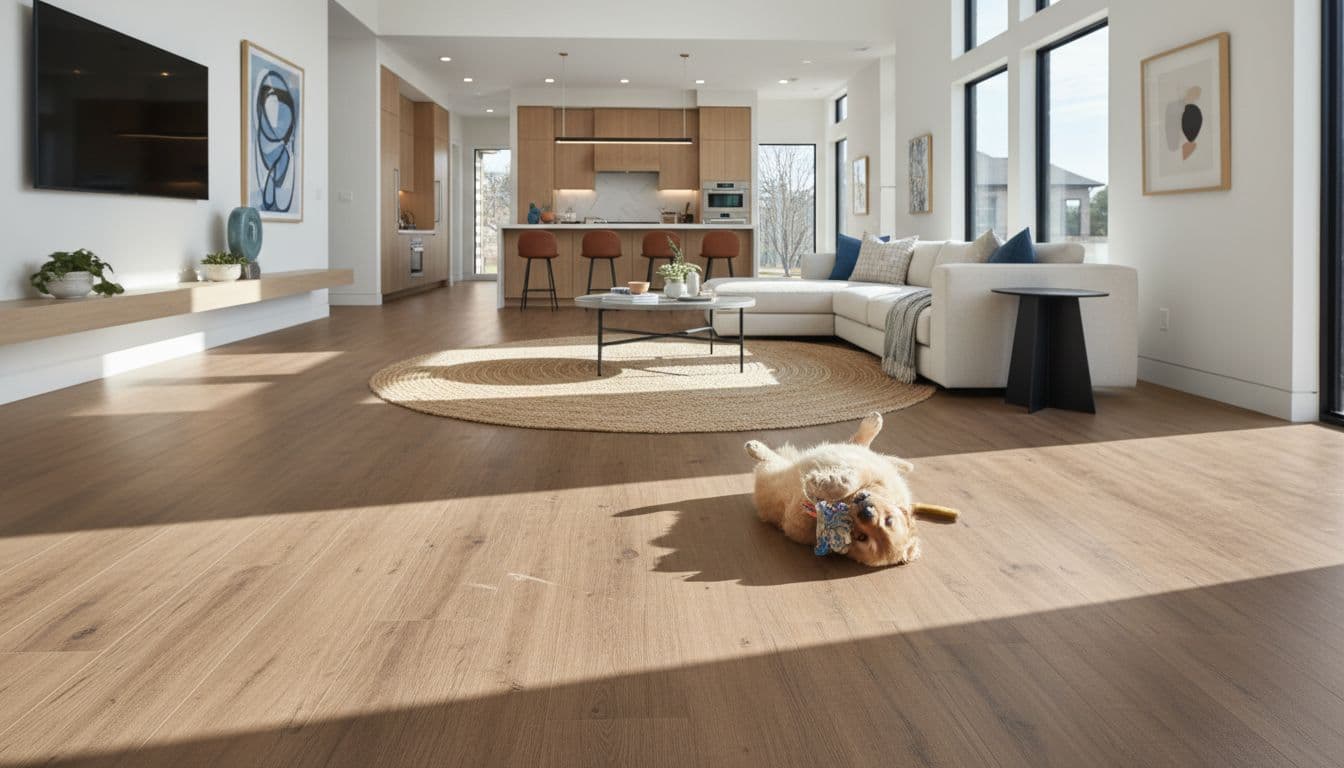
For many homes, the smartest answer is a blend. You might use hardwood in formal and everyday living spaces, then choose waterproof flooring in rooms with more moisture risk. That approach protects your budget while keeping the whole house functional.
Where hardwood adds the most value
You usually see the best return when hardwood goes in the rooms buyers notice first. Entry areas, living rooms, dining rooms, hallways, and primary bedrooms tend to benefit the most.
Consistency also matters. A home feels larger and calmer when the flooring flows well from room to room. If you mix too many colors or plank styles, the house can feel chopped up, even if each product looks good on its own.
At the same time, not every room needs traditional wood. Near back doors, pet bowls, laundry areas, and high-splash zones, a pet-friendly flooring choice may protect your investment better. In busy households, scratch-resistant flooring can help your home look newer for longer, which supports value even if the material isn’t classic hardwood.
That practical mindset matters in North Texas. Buyers know life happens. They often appreciate a home that balances warmth with durability more than one that chose style at the cost of daily comfort.
If you’re weighing room-by-room options for flooring replacement, Schedule Your Free Flooring Estimate and get advice that fits your layout, lifestyle, and budget.
What should you ask before you commit?
Ask about prep before you ask about stain color. The best-looking floor can fail early if the base under it isn’t flat, dry, and stable.
Keep these points in mind when you compare products and installers:
- Ask for moisture testing, especially on slab foundations and first floors.
- Ask whether solid wood or engineered wood is better for your room.
- Ask how the installer handles expansion gaps, transitions, and leveling.
- Ask which surfaces make sense for pets, wet shoes, and heavy traffic.
You should also ask how the floor will age. Some finishes hide scratches better. Wider planks can look beautiful, but they need good prep. Matte finishes often work well in family homes because they don’t spotlight every paw print or speck of dust.
If you’re deciding between hardwood flooring, laminate flooring, and LVP, keep your long-term goal in view. If resale is the top goal, wood may win in main spaces. If low maintenance matters more, a waterproof or hybrid plan may protect your value better over time.
Conclusion
A new floor changes more than the surface under your feet. The right choice can make your home feel cleaner, newer, and more valuable from the first showing to the final offer.
For many Denton and DFW homes, hardwood adds clear visual appeal and lasting resale strength. Still, the best result comes from matching the material to Texas conditions, daily wear, and the way you actually live.
FAQ
Do hardwood floors always raise resale value?
Not always. Results depend on condition, style, and fit for the home. If the product is poorly installed or wrong for the room, buyers may see it as a future repair instead of an upgrade.
Is engineered hardwood flooring better for North Texas homes?
In many cases, yes. Engineered hardwood flooring often handles Texas humidity and minor movement better than solid wood, which makes it a strong option for many Denton-area homes.
Can luxury vinyl plank flooring help home value too?
Yes, especially in busy households. Luxury vinyl plank flooring can support value when buyers want low upkeep, waterproof flooring, and a polished wood-look finish that stands up to pets and kids.
What flooring works best for homes with pets?
It depends on the room, but many families prefer pet-friendly flooring with a tough wear layer. In homes with dogs, scratch-resistant flooring and waterproof surfaces often hold their appearance longer than softer finishes.
Should you put hardwood in every room?
Usually, no. Hardwood shines in living areas and bedrooms. In wet or spill-prone spaces, luxury vinyl flooring or other waterproof options may be the smarter way to protect both looks and long-term value.