
Solid Hardwood
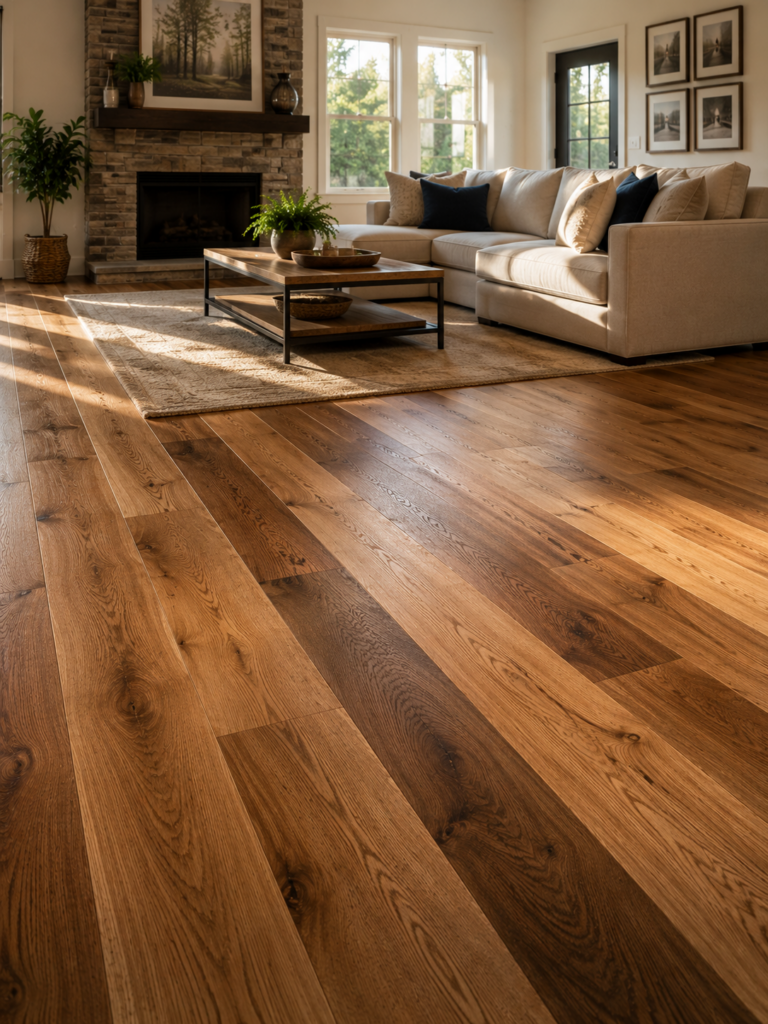
Each plank is made from one piece of wood. It offers classic depth and a long service life when the product and room are a good match.
JBN Flooring installs solid and engineered hardwood for Denton homes and businesses. We help you compare wood species, plank styles, finishes, slab needs, and care so the new floor fits your space and daily life.
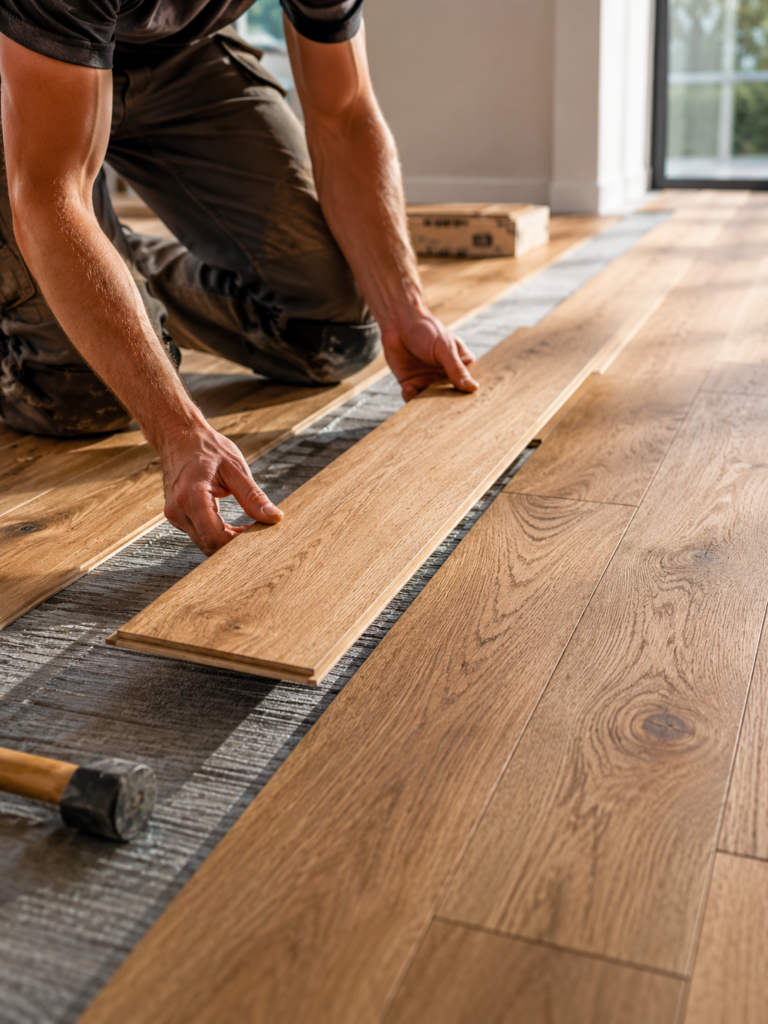
Hardwood flooring uses real wood. Solid hardwood is milled from one piece of wood. Engineered hardwood has a real wood surface over a layered core that adds stability.
Both types come in many species, plank widths, colors, textures, and sheen levels. The right choice depends on the room, the base beneath it, moisture exposure, foot traffic, pets, sunlight, care, and budget.
For many Denton slab homes, engineered hardwood is worth comparing because its layered build can manage changes in the indoor environment better than some solid wood products. Solid hardwood can also be a good fit when the site, product, and installation method work together.
Both are real wood floors, but their construction and site needs are different.
Each plank is made from one piece of wood. It offers classic depth and a long service life when the product and room are a good match.
A real wood surface sits over a layered core. This build can add stability for many slab-foundation homes.
The best choice depends on slab or subfloor conditions, product rules, moisture, traffic, style, care, and price.
| Factor | Solid Hardwood | Engineered Hardwood |
|---|---|---|
| Construction | One piece of solid wood | Real wood surface over layered core |
| Slab use | Depends on product and approved method | Often considered for concrete slabs |
| Wood look | Natural grain and color | Natural grain and color |
| Movement | Responds to changes in moisture and indoor air | Layered core can add dimensional stability |
| Selection | Many species, widths, textures, and finishes | Many species, widths, textures, and finishes |
Installed hardwood pricing depends on the wood, product grade, plank size, room layout, base preparation, installation method, trim, transitions, access, and total square footage.
The planning ranges already used on this page are:
These are broad planning ranges, not a quote. Wide planks, premium species, special finishes, complex layouts, or extra site preparation can raise the cost.
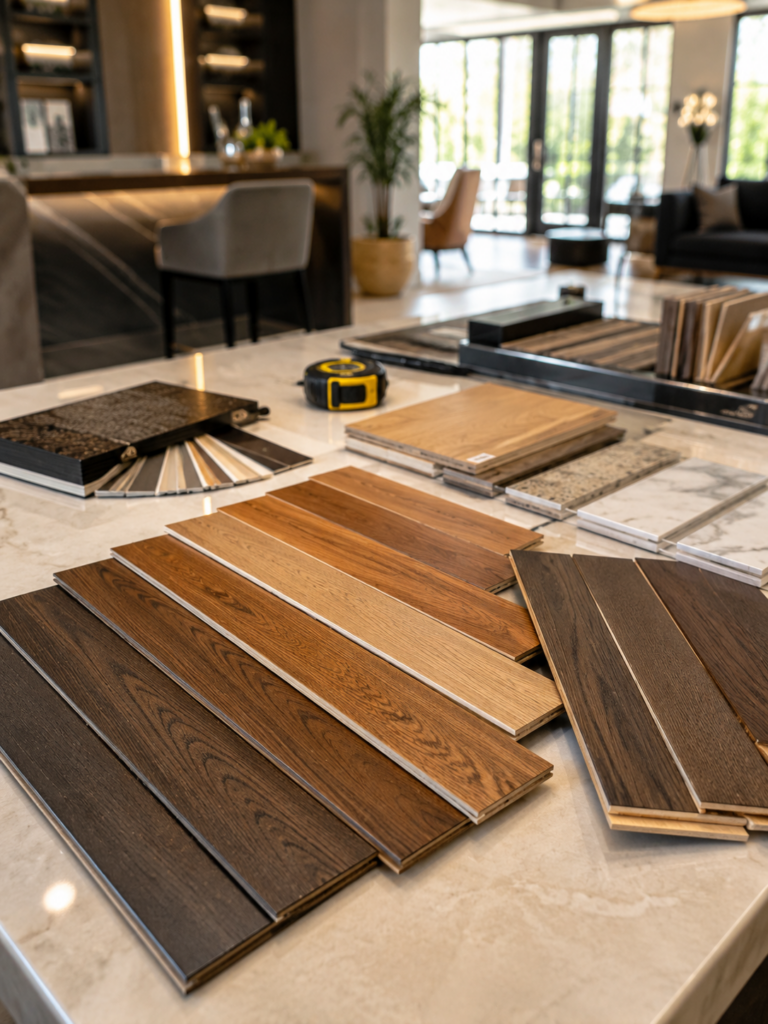
A site visit helps define measurements, product choices, known preparation, and finish details.
Wood is a natural material. Changes in moisture and indoor air can cause it to gain or lose moisture, which may lead to seasonal movement.
Many Denton homes sit on slabs. The selected product and method should match the base and known moisture conditions.
Large changes in indoor humidity can affect wood. A steady indoor environment supports more stable performance.
Direct sun, pets, shoes, furniture, and busy paths can influence color and visible wear over time.
The National Wood Flooring Association's moisture guidance explains that wood can swell in humid air and shrink in dry air. Product instructions and site conditions should guide the final plan.
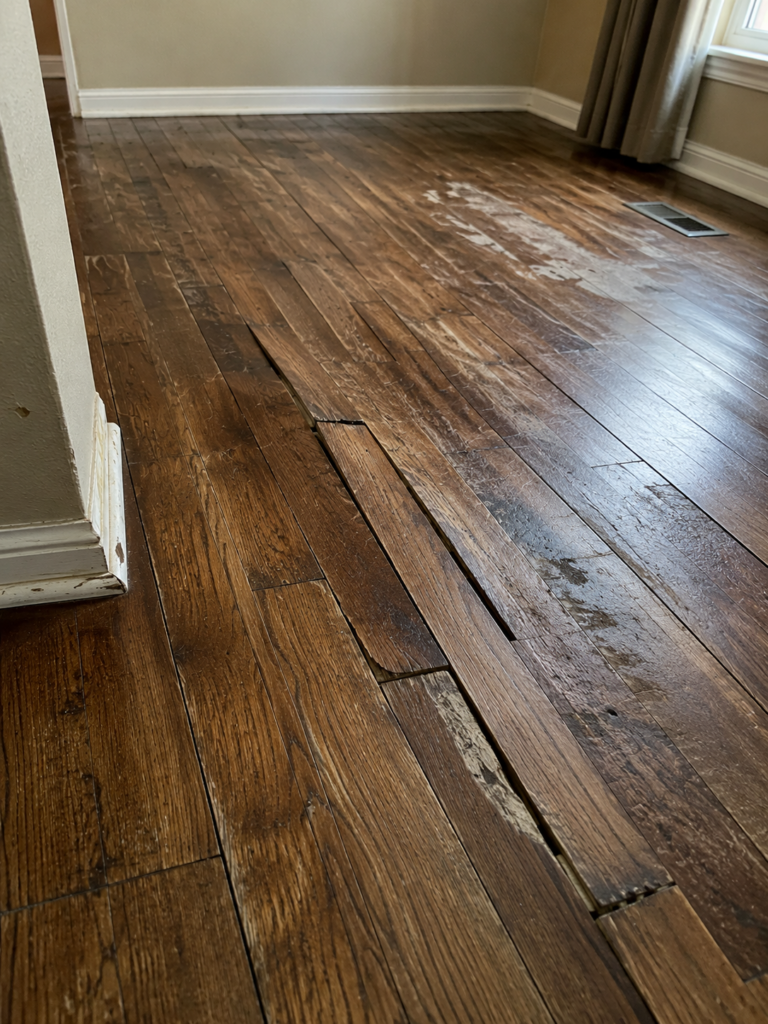
Age alone does not decide when a floor should be replaced. The condition of the boards, the base, moisture exposure, movement, and the homeowner's goals all matter.
Common warning signs may include wide or lasting gaps, cupped boards, deep stains, soft areas, strong movement, loose planks, or broad sections that no longer meet the needs of the room.
JBN Flooring focuses on new hardwood flooring installation. We inspect the rooms for quote and planning purposes, then explain the known work needed for the new floor.
A clear process helps you understand the floor, job scope, schedule, and next step.
Tell us about your rooms, style, use, and budget.
We measure the space and look at the slab or subfloor.
Compare solid and engineered wood, species, widths, and finishes.
We prepare the base, install the floor, add trim, and clean the work area.
We check the finished work and review the new floor with you.
Care instructions can vary by finish and product, so follow the floor maker's guide first.
Sweep, dust mop, or use a vacuum setting made for hard floors. Dirt and grit can act like sandpaper under shoes.
Use a dry or slightly damp cloth. Do not let standing water sit on the wood or in plank seams.
Choose a cleaner approved for the floor's finish. Avoid wet mops, steam mops, and harsh products unless the maker approves them.
See the NWFA wood floor maintenance guide for general homeowner care tips.
JBN Flooring is a Denton-based flooring contractor and a division of The JBN Group. We help clients compare products without treating every room or slab as the same job.
Our quotes are based on the rooms, floor choice, measurements, known preparation, layout, trim, and finish details. We explain the scope so you can see what is included.
We install hardwood in one room, several connected rooms, whole homes, offices, rentals, and other business spaces across Denton County.

JBN Flooring is based at 125 Old Alton Dr Ste 25 in Denton. Call us if your town is not listed. We can confirm whether your address is within our current work area.
JBN Flooring is a division of The JBN Group. These outside profiles help you check public information tied to our parent company.
Each group owns and manages its linked profile.
 Frequently Asked Questions
Clear answers for Denton and North Texas property owners.
Compare solid and engineered hardwood with a local flooring contractor. We will help you choose a product that fits the room, base, style, and budget.
JBN Flooring · A Division of The JBN Group · Serving North Texas Since 1996