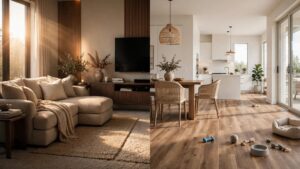
Flooring in Carrollton, TX: Best Materials, Costs, and Local Buying Tips
Compare popular flooring materials, real-world costs, and North Texas–specific considerations like heat, pets, and busy households.
Table of Contents
- Quick answer: the best flooring choices for Carrollton homes
- What Carrollton homes need from their floors (climate, lifestyle, resale)
- Popular flooring types in Carrollton, TX (pros, cons, best rooms)
- Flooring costs in Carrollton: what impacts your budget
- Installation tips: prep, timeline, common mistakes
- Choosing the best flooring by room in a Carrollton home
- Maintenance and long-term care for Texas living
- Benefits of upgrading your floors
- Common mistakes Carrollton homeowners should avoid
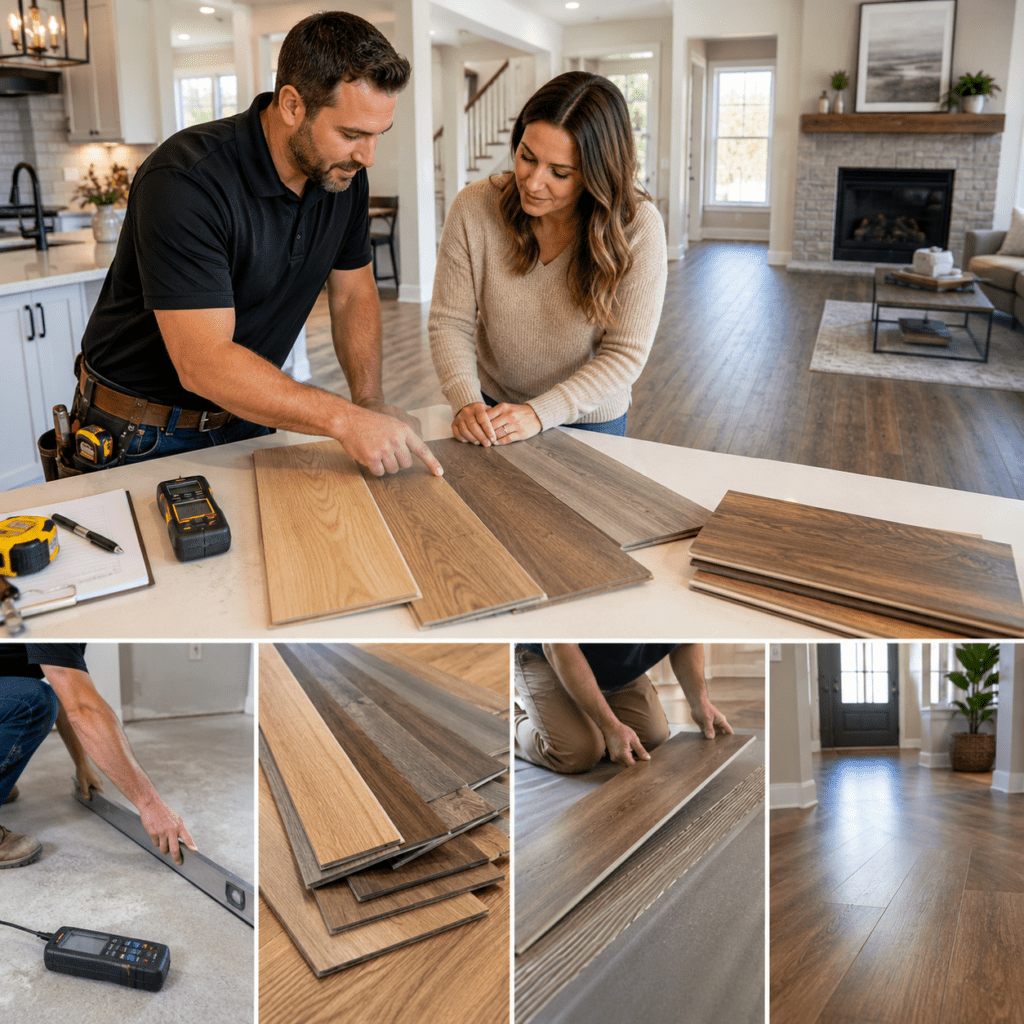
- Step-by-step: how to buy flooring locally (and compare quotes)
- Pros and cons by material (quick view)
- Best for (and who should avoid certain options)
- Expert recommendations for North Texas
- Frequently asked questions
- Conclusion + next steps
Quick answer: the best flooring choices for Carrollton homes
For most homeowners searching for flooring in Carrollton, TX, the most reliable “all-around” picks are luxury vinyl plank (LVP) for busy living areas, porcelain tile for wet zones, and engineered hardwood when you want real wood with better stability in Texas temperature swings. The best choice comes down to three practical factors: moisture risk (kitchens, baths, laundry), scratch/impact traffic (pets, kids, open-concept layouts), and sun exposure (large windows and strong summer light).
If you’re comparing products or installers, focus less on the “headline” price per square foot and more on the full system: subfloor prep, underlayment, moisture control, transitions, trim, and workmanship warranty. That’s where long-term performance is decided.
What Carrollton homes need from their floors (climate, lifestyle, and resale)
Carrollton flooring performs best when it’s selected and installed for North Texas realities: big temperature swings, strong sun, and high-traffic family living. The right material choice plus proper acclimation and subfloor prep prevents the most common problems—gapping, buckling, seam swelling, and premature wear.
Climate: heat, sun, and expansion
North Texas summers and indoor HVAC cycles can stress floors. Wood-based products (solid, engineered, laminate) expand and contract. Vinyl can expand with heat as well. Look for products with clear installation specs, and make sure the installer follows acclimation and expansion-gap requirements—especially near large windows and exterior doors.
Lifestyle: pets, kids, open layouts
Many Carrollton homes have connected kitchen–living areas where the same floor runs through multiple spaces. That increases wear and makes scratch resistance, cleanability, and stain resistance more important than in a single-room install.
Allergens and cleaning
Hard-surface floors make routine cleaning easier because dust and pet dander don’t settle into fibers. That’s one reason LVP, tile, and wood looks are popular upgrades over thicker carpet in main living spaces.
Resale expectations in DFW
Buyers notice flooring condition immediately. Consistent, durable flooring in main areas tends to photograph better, show better, and reduce “immediate update” objections during showings—especially when transitions are clean and color choices feel current.
Popular flooring types in Carrollton, TX (pros, cons, and best rooms)
The “best flooring for Texas homes” usually isn’t one material everywhere. Most Carrollton households get the best results by matching the floor to moisture risk, traffic level, and comfort needs room-by-room.
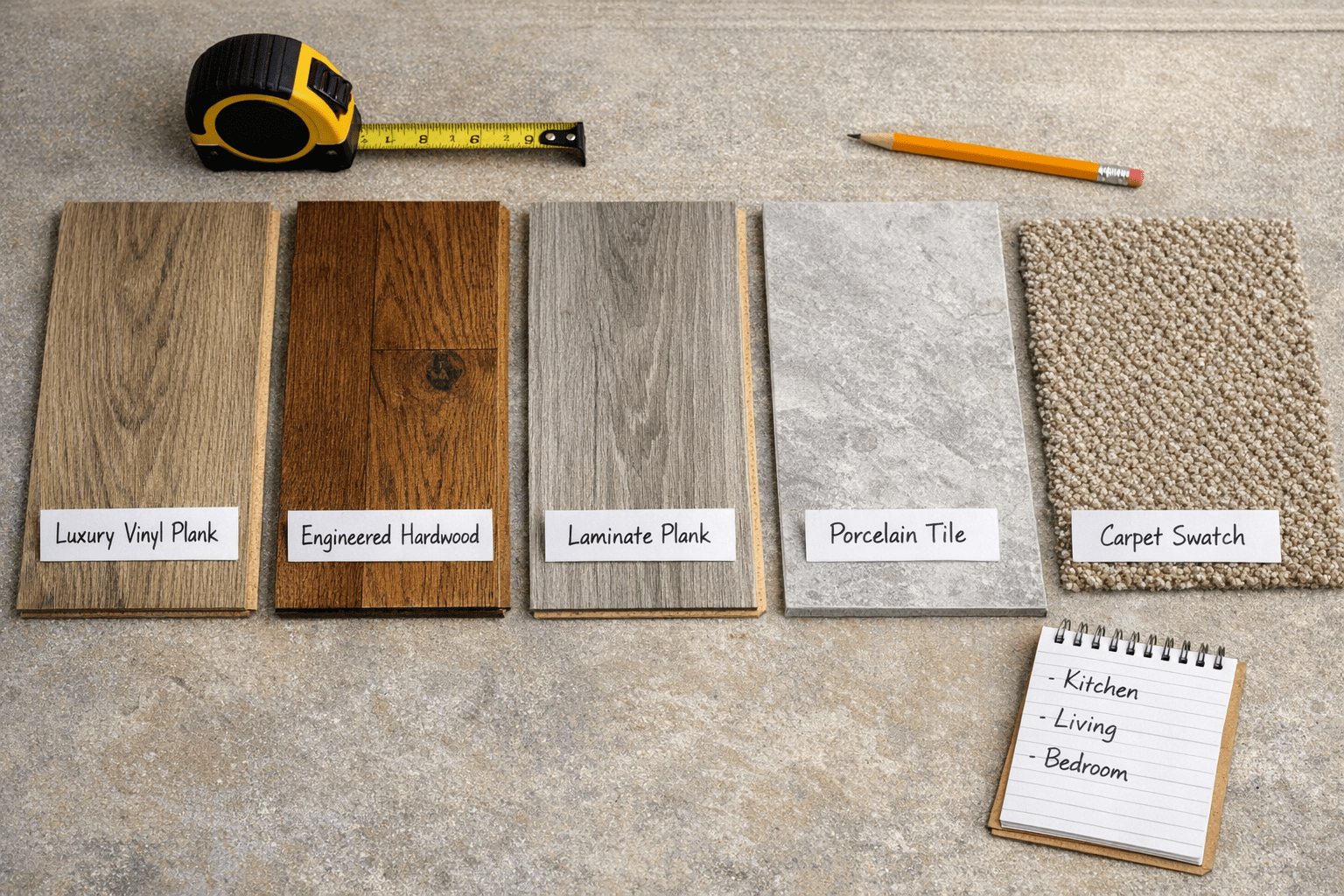
Luxury vinyl plank (LVP)
LVP is a top choice in Carrollton because it balances water resistance, comfort, and modern wood visuals.
- Best rooms: living rooms, kitchens, hallways, dining areas, rentals, basements (if applicable).
- Watch-outs: product quality varies; pay attention to wear layer, core type, and installation method.
Porcelain or ceramic tile
Tile handles heat and moisture extremely well, making it a practical staple in entries, kitchens, and bathrooms.
- Best rooms: entryways, kitchens, bathrooms, laundry rooms.
- Watch-outs: grout maintenance, harder underfoot feel, and subfloor movement issues if prep is poor.
Engineered hardwood
If you want authentic wood, engineered hardwood often provides better dimensional stability than solid hardwood while keeping a real wood surface.
- Best rooms: living rooms, dining rooms, bedrooms, stairs (when properly specified).
- Watch-outs: still not ideal for standing water; sun management matters for color consistency.
Laminate
Laminate can be a strong value play with great scratch resistance and convincing visuals, but it needs smarter placement and spill habits.
- Best rooms: living rooms, bedrooms, offices, low-moisture areas.
- Watch-outs: water exposure at seams can cause swelling if the product isn’t designed for moisture-prone areas.
Carpet
Carpet remains common in bedrooms for warmth and noise control, especially in multi-story homes.
- Best rooms: bedrooms, media rooms, upstairs spaces where sound matters.
- Watch-outs: stain management, pad quality, and shorter replacement cycles in high-traffic zones.
| Material | Best fit in Carrollton homes | Main advantage | Main tradeoff |
|---|---|---|---|
| LVP | Busy households, pets, open-concept main floors | Water resistance + comfort + realistic visuals | Quality range is wide; heat expansion must be managed |
| Tile | Wet areas, entries, kitchens, laundry | Moisture + heat durability | Hard feel; grout/caulk upkeep |
| Engineered hardwood | Wood look with improved stability | Real wood surface, premium resale feel | Not for standing water; can scratch like wood |
| Laminate | Value-focused projects with pets | Scratch resistance, cost control | Seams can swell with water if misused/misplaced |
| Carpet | Comfort zones (bedrooms/media) | Warmth and sound absorption | Stains, allergens, replacement cadence |
Flooring costs in Carrollton: what impacts your budget
Your flooring cost in Carrollton, TX is driven by the whole project scope—material grade, subfloor condition, and finish details—not just the product price tag. Two homes with the same square footage can price very differently if one needs leveling, removal, and custom trim.
Leveling, repairs, and moisture mitigation can make or break performance.
Stairs, tight closets, multiple rooms, and patterns add labor time.
Transitions, quarter round/baseboards, and door trimming affect totals.
Typical line items that change the final price
When you compare quotes, make sure these are clearly itemized so you’re comparing apples to apples:
- Material grade: thicker wear layers, better cores, premium finishes, and stronger locking systems cost more but often last longer.
- Demolition & disposal: removing old tile, glued-down floors, or multiple layers increases labor and haul-off.
- Underlayment & moisture barriers: improves comfort and performance; often essential on slab or in moisture-prone zones.
- Leveling compounds: critical for click-lock LVP/laminate and for tile longevity.
- Trim/transition work: reducers, T-molds, stair noses, and baseboards are where craftsmanship shows.
Installation tips: prep, timeline, and common mistakes to avoid
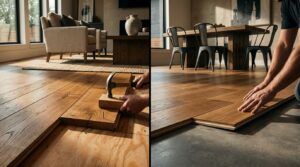
The fastest way to turn a good product into a bad experience is a rushed installation. In Carrollton homes, most early failures trace back to skipped acclimation, poor subfloor prep, or incorrect expansion gaps.
Prep: what to do before installers arrive
Plan for a smoother project by handling a few items in advance:
- Clear access: remove fragile items and plan furniture movement.
- Confirm acclimation: ask where materials will be staged and for how long (per manufacturer specs).
- Identify moisture risk: mention past leaks, pet accidents, or slab moisture concerns early.
- Decide trim scope: reuse baseboards vs. replace, and confirm who paints/caulks if needed.
Timeline: what’s realistic
Project duration depends on square footage and complexity. A straightforward hard-surface install can move quickly, but tile and projects requiring leveling, demo, or stairs take longer. Ask your installer to outline:
- Days for removal and prep
- Installation days by room
- Cure times (tile, adhesives) and when you can move furniture back
- When it’s safe to wet-mop (varies by product)
Details that matter: transitions and expansion gaps
Transitions at doorways and proper expansion space along walls are not cosmetic “extras.” They prevent buckling, edge stress, and separation—especially in long runs typical of open layouts.
Pro insight: “Most flooring problems we inspect aren’t material defects—they’re installation details that were rushed or skipped. Flatness, transitions, and expansion planning are the unglamorous steps that protect the investment.”
Choosing the best flooring by room in a Carrollton home
If you’re stuck between options like Carrollton TX hardwood vs laminate or deciding on luxury vinyl plank in Carrollton, TX, room function is the simplest tie-breaker. Pick for the “worst day” in that room—spills, wet shoes, dropped pans, pet accidents—then choose the look you love.
Kitchens and dining areas
Choose water resistance and easy cleanup first.
- Best picks: LVP or tile
- What to prioritize: durable wear layer, stable core, cleanable surface texture, well-planned transitions to adjacent rooms
Bathrooms and laundry rooms
Use materials designed for moisture exposure and insist on correct edge/fixture detailing.
- Best picks: tile or waterproof-rated flooring systems
- What to prioritize: waterproofing approach, caulk/grout maintenance plan, proper underlayment or membrane where needed
Living rooms, hallways, and stairs
These high-visibility areas define the home’s look and take the most traffic.
- Best picks: LVP, engineered hardwood, or laminate (depending on moisture risk and style goals)
- What to prioritize: scratch resistance, dent resistance, stair nose compatibility, cohesive transitions
Bedrooms
Balance comfort and maintenance—quiet matters here.
- Best picks: carpet, or hard surfaces paired with quality underlayment for sound reduction
- What to prioritize: stain resistance, pad quality, and how the floor feels underfoot
Maintenance and long-term care for Texas living
In Carrollton, the best maintenance strategy is prevention: keep grit off the floor, limit excessive water, and reduce UV exposure where possible. Those three habits protect finish clarity and reduce micro-scratches that make floors look “older” than they are.
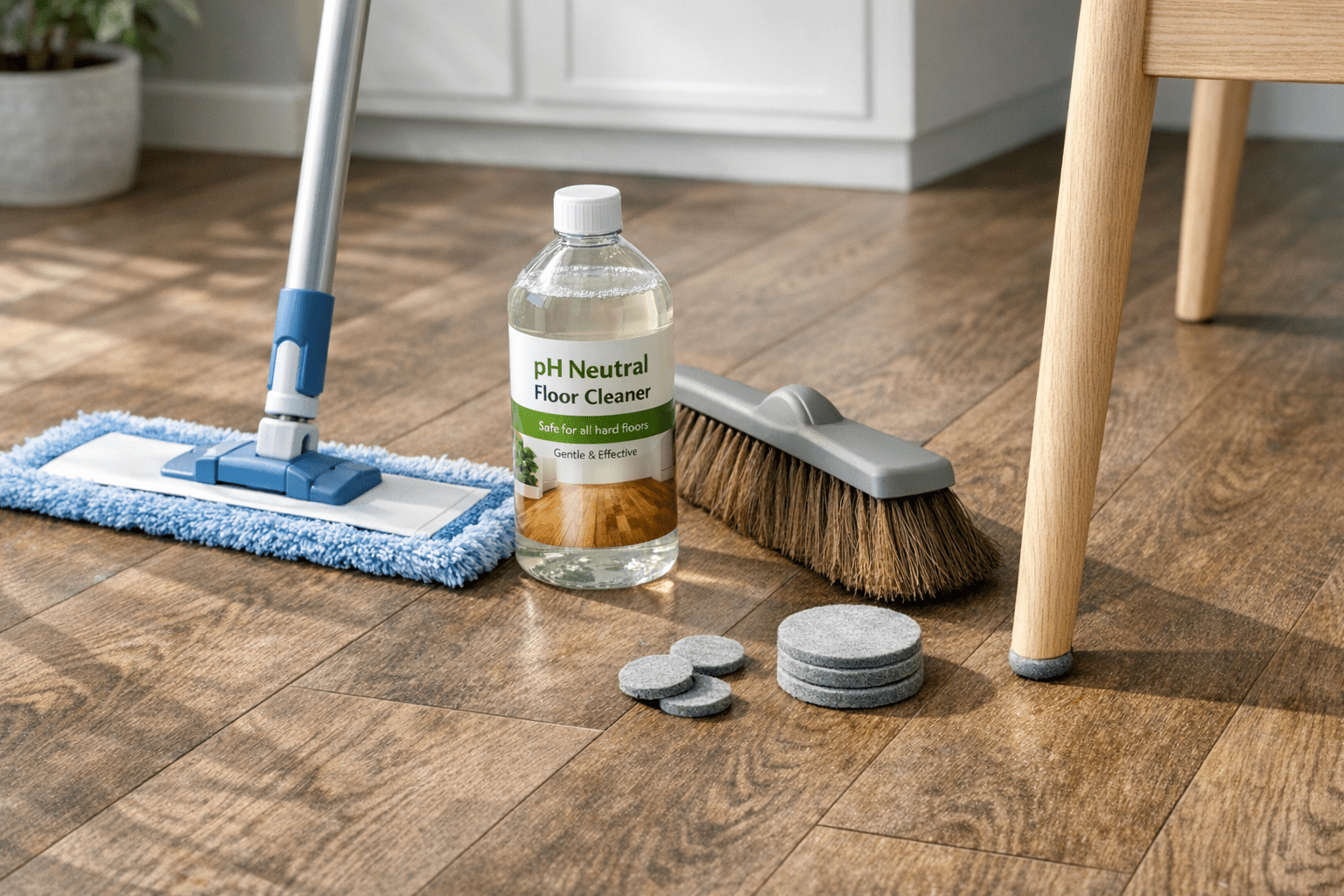
Daily/weekly habits that extend floor life
- Use entry mats: grit is like sandpaper on hard surfaces.
- Add felt pads: especially on dining chairs and bar stools.
- Dry dust regularly: microfiber dusting reduces haze and fine scratching.
- Clean with approved products: avoid harsh degreasers or “shine” products unless the manufacturer allows them.
Water and cleaning: what to avoid
Even “water-resistant” floors can suffer if water is left to sit or repeatedly pushed into seams. In general:
- Don’t flood-mop. Use a damp mop method and wring well.
- Wipe spills quickly, especially around cabinets, fridges, and pet bowls.
- For laminate, be extra strict: seam swelling is the common failure mode.
Sun management in bright rooms
Large windows can create uneven fading over time, especially with real wood and some printed visuals. If a room gets harsh afternoon sun, consider window coverings and rotate rugs/furniture periodically for more even exposure.
Tile-specific maintenance
Tile itself is durable; grout and caulk are the maintenance items. Keep an eye on grout lines in wet areas, and refresh sealant or caulk when it starts to discolor, crack, or pull away.
Benefits of upgrading your floors
A well-planned flooring upgrade improves daily comfort and can reduce ongoing maintenance stress—especially in high-traffic Carrollton households.
- Easier cleaning: hard surfaces can simplify routine cleanup and reduce odor/stain concerns.
- Better durability: modern wear layers and finishes handle pets and kids better than many older products.
- Updated look: cohesive flooring can make an entire home feel refreshed without major remodeling.
- Improved function: better transitions, quieter underlayment, and smoother subfloors reduce squeaks and “hollow” spots.
Common mistakes Carrollton homeowners should avoid
Most flooring regrets aren’t about color—they’re about performance. Avoid these common pitfalls when buying and installing flooring in Carrollton.
- Choosing based on showroom lighting: always view samples in your home’s lighting and next to your paint and cabinets.
- Ignoring subfloor flatness: uneven subfloors lead to clicking, movement, cracked grout, and premature wear.
- Underestimating moisture risk: kitchens and entries see more water than most people expect.
- Skipping transitions/expansion planning: details at doorways and walls protect the entire installation.
- Comparing quotes without scopes: the cheapest quote may exclude leveling, trim, or disposal.
- Not asking about warranty coverage: understand what’s covered by the product warranty vs. labor/workmanship.
Step-by-step: how to buy flooring locally (and compare quotes)
Use this process to choose a floor confidently and avoid surprise add-ons after the job starts.
1) Define your “must-haves” (before you shop)
Write down the non-negotiables for your home:
- Waterproof or water-resistant needs
- Pet scratch resistance
- Comfort and sound control
- Matching existing finishes (cabinets, paint, countertops)
2) Shortlist 2–3 materials for your lifestyle
In many Carrollton homes, that shortlist looks like: LVP for main areas, tile for wet areas, and carpet or engineered wood for bedrooms depending on comfort and style goals.
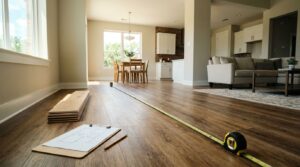
3) Measure correctly and confirm your scope
Square footage is only part of the story. Confirm stairs, closets, transitions, and whether baseboards are included.
4) Get quotes that include prep work
Ask each quote to specify subfloor checks and corrections. This is where quality installers separate themselves.
5) Review warranties and maintenance requirements
Make sure you understand what cleaning products are approved and what conditions could void coverage (for example, improper underlayment, insufficient expansion gaps, or moisture issues).
Pros and cons by material (quick view)
If you need a fast comparison for decision-making, this summary highlights what matters most in North Texas homes.
LVP — Pros
- Excellent everyday water resistance
- Comfortable underfoot
- Great for pets and busy households
- Wide range of wood looks
LVP — Cons
- Product quality varies significantly
- Needs flat subfloors to avoid movement
- Heat/sun expansion must be managed
Engineered hardwood — Pros
- Real wood surface with premium feel
- More stable than solid hardwood in many cases
- Strong resale appeal
Engineered hardwood — Cons
- Not ideal for standing water
- Can scratch/dent like wood
- Refinishing depends on veneer thickness
Laminate — Pros
- Good scratch resistance for the price
- Convincing visuals and textures
- Often faster installs than tile
Laminate — Cons
- Seams can swell with water exposure
- Moisture-prone rooms require caution
- Not all products handle Texas heat equally
Tile — Pros
- Top-tier moisture and heat tolerance
- Long service life when installed correctly
- Excellent for entries and bathrooms
Tile — Cons
- Hard/cold underfoot (comfort tradeoff)
- Grout maintenance is real
- Subfloor movement can crack grout/tile
Carpet — Pros
- Soft, warm, quiet
- Great for bedrooms and media rooms
- Comfortable on stairs
Carpet — Cons
- Stain and odor management required
- Shorter replacement cycle in traffic areas
- Can trap allergens and dust
Best for (and who should avoid it)
These practical scenarios help you match the right floor to how you live—not just how you want it to look.
Best flooring for busy households with pets
LVP is often the best combination of scratch resistance, water resistance, and easy cleanup. If you prefer a wood product, consider engineered hardwood with a durable finish—but be realistic about scratch visibility.
Best flooring for rentals and cost-controlled upgrades
Mid-grade LVP or laminate can provide strong ROI when you choose stable products and install them correctly. Avoid ultra-thin, bargain products that don’t tolerate subfloor imperfections.
Best flooring for bathrooms and laundry rooms
Tile remains a safe bet for true wet zones. If you choose a “waterproof” floating product, make sure the system details (edges, transitions, underlayment) match manufacturer requirements.
Who should avoid certain options (when appropriate)
- Avoid laminate in rooms where standing water is likely (unless the product is specifically designed and warranted for that use and you’re strict about cleanup).
- Avoid solid hardwood in high-moisture spaces and homes with frequent wet traffic unless you’re prepared for careful maintenance and humidity management.
- Avoid glossy finishes if you have pets—micro-scratches show more easily.
Expert recommendations for North Texas (materials, specs, and questions to ask)
If you want fewer surprises, evaluate flooring like a system: product specs + prep + installation method + maintenance plan. Here are field-tested recommendations that hold up well in DFW-area homes.
What to look for in LVP
Ask for product details that correlate with performance, not just appearance:
- Wear layer thickness and intended traffic rating
- Core type and stability characteristics
- Locking system reputation and edge durability
- Approved underlayment and moisture barrier requirements
What to look for in engineered wood
Engineered hardwood quality varies. Focus on veneer thickness, construction, and finish system, then confirm acclimation requirements.
What to ask any installer in Carrollton
- How do you verify subfloor flatness, and what’s included if it needs leveling?
- How do you handle transitions at doorways and long runs?
- What’s your dust control plan?
- What workmanship warranty do you provide, and what does it cover?
Frequently asked questions
What’s the best flooring for Texas homes with big temperature swings?
LVP, tile, and well-constructed engineered hardwood tend to perform reliably when installed correctly. The key is following manufacturer requirements for acclimation, expansion gaps, and subfloor prep so normal seasonal movement doesn’t cause visible issues.
Is luxury vinyl plank a good choice in Carrollton, TX?
Yes—luxury vinyl plank (LVP) is popular in Carrollton because it’s comfortable, easy to clean, and handles everyday moisture better than many wood-based floors. Product quality varies, so confirm wear layer, core type, and the approved installation system.
Hardwood vs. laminate in Carrollton: which should I choose?
If you want authentic wood and premium feel, engineered hardwood is often the practical “wood” answer in North Texas. If you want cost control and scratch resistance, laminate can be a strong option for dry areas—just be cautious about water exposure at seams.
What impacts flooring cost in Carrollton, TX the most?
Subfloor leveling/repairs, removal and disposal, stairs, transitions/trim work, and installation complexity typically drive the biggest differences. Two bids with the same “per square foot” number can be very different once you compare the full scope.
How long does flooring installation take?
It depends on square footage, material, and prep needs. Floating floors can be faster, while tile and projects needing leveling or extensive demo take longer. Your installer should provide a clear timeline that includes cure times and when furniture can return.
Do I need a moisture barrier on a slab in North Texas?
Often, yes—especially with floating floors and in moisture-sensitive installations. The correct barrier and method depend on your product specs and conditions. Ask your installer how moisture is evaluated and what’s included in the quote.
What’s the easiest flooring to keep clean with pets?
LVP and tile are typically the easiest for routine cleanup. For scratch reduction, use felt pads, keep nails trimmed, and remove grit frequently—dirt and sand do more damage than most people realize.
Should I install the same flooring throughout the whole house?
Not always. Many Carrollton homes benefit from a hybrid approach: durable hard surfaces in main areas and wet zones, and comfort flooring in bedrooms. If you want continuity, choose transitions thoughtfully and keep color/undertone consistent.
What should be included in a “good” flooring quote?
A solid quote should list material specifications, demo/disposal, subfloor prep and leveling allowances, underlayment/moisture barriers, transitions and trim scope, timeline, cleanup, and workmanship warranty details.
How do I get an accurate recommendation for my specific home?
The most accurate guidance comes from an in-home evaluation—lighting, subfloor condition, and traffic patterns matter. If you’re ready, schedule a consultation and request a scope that includes prep, product specs, and warranty info.
Conclusion + next steps
Choosing flooring in Carrollton, TX comes down to matching the material to your climate and lifestyle. For many North Texas households, LVP offers the best blend of durability and cleanability in main areas, tile remains the most dependable option for wet zones, and engineered hardwood delivers real-wood beauty with fewer stability concerns than solid hardwood in temperature swings.
Next steps: shortlist 2–3 materials, confirm your scope (prep, transitions, trim), and compare quotes that clearly itemize what’s included. When you do that, you’ll avoid surprise add-ons and end up with a floor that looks great and performs for years.
Ready to narrow down the best flooring for your Carrollton, TX home?
Make a short list of must-haves (waterproofing, pet durability, comfort, style) and get quotes that include prep work, materials, and warranty details so you can compare apples to apples.