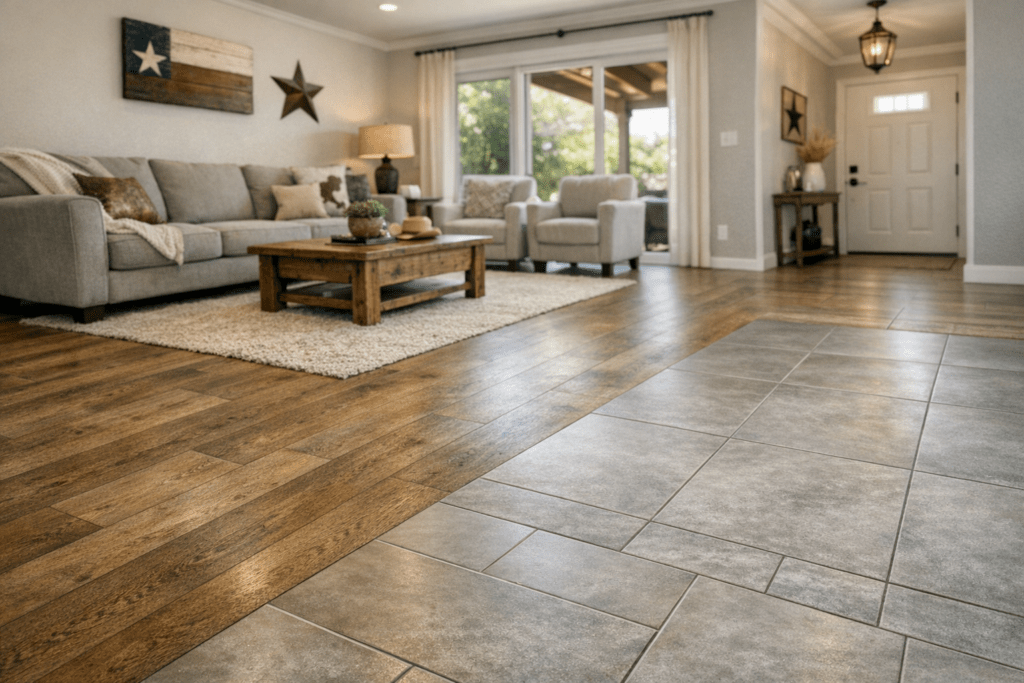
Flooring in Arlington TX: Best Materials, Costs, and How to Choose the Right Installer
From luxury vinyl plank to tile and hardwood, this guide breaks down the most practical flooring choices for Arlington homes—plus budgeting and contractor tips.
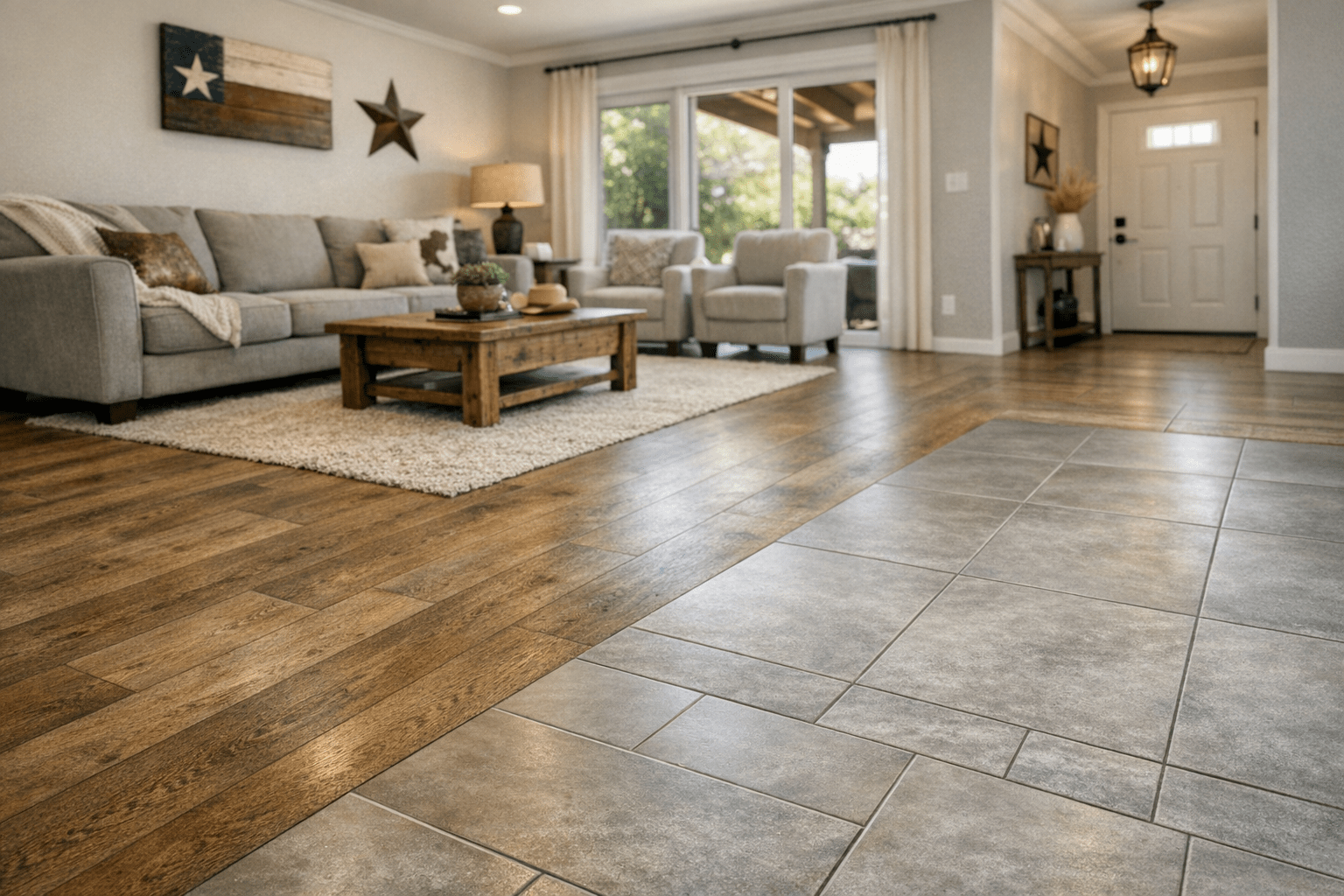
Quick answer: the best flooring in Arlington, TX
For most Arlington homes, quality luxury vinyl plank (LVP) and porcelain tile are the safest “set it and forget it” options because they handle Texas heat, everyday spills, and slab foundations with fewer issues than more moisture-sensitive materials. If you want a true wood look and feel, engineered hardwood can perform very well in living spaces when humidity is controlled and subfloor prep is done right. The “best” choice comes down to your rooms, budget, and installer quality—because many flooring failures start with skipped moisture testing or uneven subfloors.
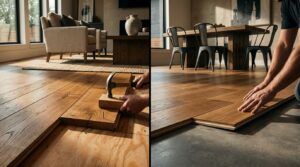
If you’re comparing options now, it helps to start with how your home is built and used. Many properties in the area sit on concrete slabs, so details like underlayment, vapor barriers, and adhesive selection matter. If you’re planning a full replacement, you can also review installation approaches and timelines on our floor installation services page so you know what a professional scope should include.
What Arlington Homeowners Need to Consider Before Choosing Flooring
In Arlington, the “right” flooring is the material that stays stable through seasonal shifts, fits your lifestyle, and is installed to manufacturer standards. Start with these practical factors before you fall in love with a sample board.
Heat, A/C cycles, and movement
Hot summers plus indoor A/C can create repeated expansion and contraction. Stable, moisture-tolerant products typically outperform materials that are prone to swelling or shrinking.
- Prefer products with clear acclimation requirements
- Use proper transitions and expansion gaps
- Confirm the installer follows the brand’s install method (float, glue-down, nail)
Kids, pets, and high traffic
If your home is busy, you’ll feel the difference between “pretty” and “practical.” Choose wear layers and finishes built for daily life.
- Scratch resistance and stain resistance
- Simple cleaning (no specialty products required)
- Texture and traction (especially for pets)
Concrete slab vs. plywood subfloor
Slab homes need moisture testing and the right underlayment or adhesive. Subfloor prep is where most long-term performance is won or lost.
- Moisture testing before installation
- Leveling/patching for flatness tolerance
- Vapor barrier strategy where needed
Allergies and indoor air quality
Low-VOC products and better installation methods can reduce odors and improve indoor comfort—especially important in well-sealed, air-conditioned homes.
- Ask for low-VOC adhesives and underlayments
- Ventilation plan during and after install
- Dust containment for demolition days
Popular Flooring Options in Arlington, TX (Pros, Cons, and Best Rooms)
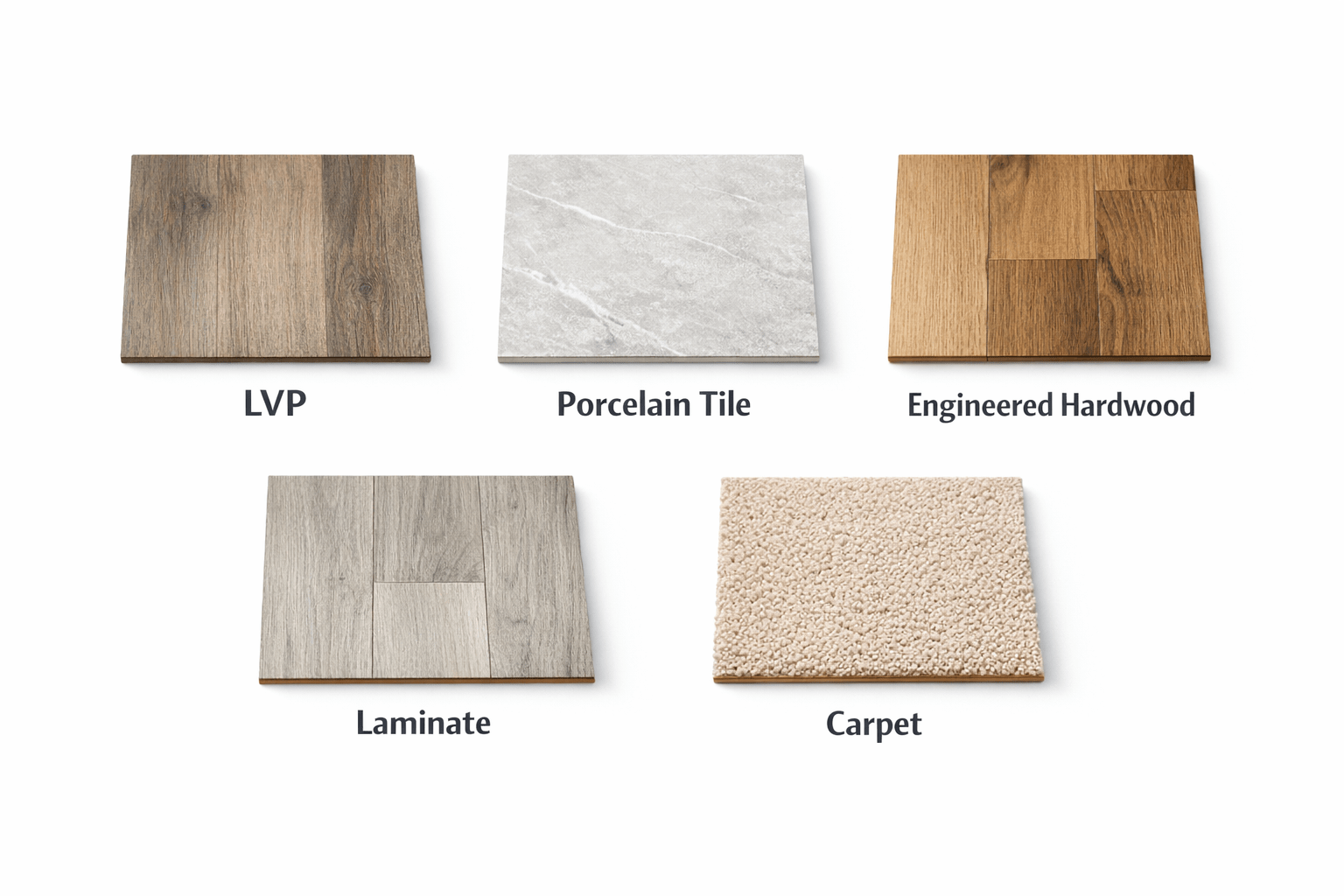
The five most common choices we see in Arlington remodels and refresh projects are LVP, tile, engineered hardwood, laminate, and carpet. Each has a “best use” depending on water exposure, comfort needs, and budget.
| Flooring type | Why Arlington homeowners pick it | Best rooms | Watch-outs |
|---|---|---|---|
| Luxury Vinyl Plank (LVP) | Water resistance, realistic visuals, comfort, and value. Great for “one-floor throughout” looks. | Living areas, bedrooms, hallways, many kitchens | Not all LVP is equal; check wear layer, core type, and warranty. Flatness matters on slabs. |
| Porcelain/Ceramic Tile | Handles heat, grit, and spills extremely well; long lifespan when installed correctly. | Kitchens, bathrooms, laundry rooms, entries | Subfloor movement and poor prep can cause cracked grout/tile. Needs the right underlayment/crack isolation. |
| Engineered Hardwood | Wood warmth with improved dimensional stability vs. solid hardwood. | Living rooms, dining rooms, bedrooms (controlled humidity) | Moisture sensitivity still matters; slab installs require correct system and testing. |
| Laminate | Budget-friendly wood look, often good scratch resistance. | Bedrooms, living rooms, offices | Moisture is the enemy; edges and seams must be protected. Avoid bathrooms unless product is rated and installed for it. |
| Carpet | Soft, quiet, comfortable—especially upstairs and bedrooms. | Bedrooms, stairs, second floors | Stains and long-term maintenance. Padding quality changes feel and lifespan. |
Luxury vinyl plank (LVP)
LVP is popular in Arlington because it balances durability, water resistance, and cost. It’s also forgiving for busy households and can look surprisingly close to wood when you choose a quality product. If you’re exploring options, see our overview of vinyl flooring solutions and how they fit different room types.
Porcelain or ceramic tile
Tile is a top performer for entries, kitchens, and bathrooms. The key is installation quality—flatness, correct mortar coverage, movement joints, and proper waterproofing details. If tile is on your shortlist, it’s worth confirming your installer’s approach to layout lines, grout selection, and edge/transition finishing for a professional result.
Engineered hardwood
Engineered wood can be an excellent compromise when you want a real wood surface but need more stability. For many Arlington homes, engineered wood works best where moisture exposure is low and HVAC keeps indoor humidity relatively consistent. Learn more about engineered hardwood flooring and where it performs best.
Laminate
Laminate can be a strong value when you choose a reputable brand and keep it out of consistently wet areas. If you’re comparing it to LVP, focus on water performance, core type, and seam protection. Our laminate flooring guide covers what to check before you buy.
Carpet
Carpet remains the comfort-first choice—especially in bedrooms and upstairs spaces. The “feel” and longevity depend heavily on padding and fiber type. If allergies are a concern, talk through vacuum requirements and maintenance routines before committing.
Pro tip
Don’t compare flooring by price alone. In real-world installs, the “cheaper” product can cost more long-term if it requires extra prep, fails early, or can’t be repaired cleanly. When you do need help, professional floor repair services are often more affordable than full replacement—if the original installation was done correctly.
Typical Flooring Costs in Arlington (Materials, Labor, and Hidden Add-Ons)
Flooring in Arlington, TX cost depends on two main buckets: materials and labor. Labor can swing widely based on pattern complexity, stairs, demolition, and how much subfloor work is required.
| Material | Typical installed range (per sq. ft.) | What moves the price up |
|---|---|---|
| LVP (floating or glue-down) | $4.50–$9.50+ | Wear layer thickness, premium cores, stair work, leveling, glue-down systems |
| Porcelain/Ceramic Tile | $8.00–$18.00+ | Large-format tile, patterns, prep/flatness, crack isolation, grout type, waterproofing details |
| Engineered Hardwood | $7.00–$16.00+ | Thickness/grade, install method, moisture mitigation, custom trim, transitions |
| Laminate | $3.50–$8.00+ | Higher-quality water-resistant lines, underlayment upgrades, complex layouts |
| Carpet | $3.00–$10.00+ | Fiber type, stain protection, padding, stairs, removal/disposal |
Hidden add-ons homeowners often miss
- Subfloor preparation: leveling, patching slab cracks, replacing damaged plywood, fixing squeaks
- Moisture mitigation (slab): vapor barriers or specialty systems to prevent adhesive failures and cupping
- Removal & disposal: old flooring, underlayment, debris haul-off
- Furniture moving: who moves what, and what must be cleared beforehand
- Trim work: baseboards, quarter round, shoe molding, caulking and paint touch-ups
- Transitions/thresholds: doorways, fireplaces, sliding doors, height changes
Ask every contractor for an itemized estimate. You want to compare the same scope: prep standards, moisture testing, underlayment, transitions, and warranty terms. If you’re evaluating “waterproof” products, don’t just look at the label—review what true waterproof flooring means (and what it doesn’t) in real homes with pets, kids, and frequent mopping.
Room-by-Room Recommendations for Arlington Homes
The best flooring choice changes by room because moisture exposure, grit, and comfort needs aren’t the same everywhere. Use these room-by-room guidelines to narrow options quickly.
Kitchens & dining
Best picks: porcelain tile or quality LVP.
- Choose water resistance and easy cleanup
- Plan transitions to adjacent rooms early
- Confirm appliance moving responsibility
Bathrooms
Best picks: tile; some waterproof LVP systems can work with correct detailing.
- Insist on edge/seam waterproofing details
- Use proper caulking at perimeters
- Choose slip-resistant finishes where needed
Entryways
Best picks: porcelain tile or durable LVP.
- Grit is like sandpaper—choose abrasion resistance
- Use good mats and protect door thresholds
- Consider darker grout or stain-resistant grout options
Living rooms & open concept
Best picks: LVP, engineered hardwood, or hardwood (when conditions are right).
- Keep continuity for a larger visual feel
- Plan long runs and expansion needs
- Acoustics matter—underlayment choice can help
Bedrooms
Best picks: carpet, LVP with softer underlayment, or engineered wood.
- Prioritize comfort and warmth
- Choose quietness if you have a second story
- Pick easy-to-clean surfaces for kids and pets
Slab-specific note
Best practice: test moisture and flatten the slab before any install.
- Moisture issues can void warranties
- Leveling prevents click-lock separation and “telegraphing”
- Ask what standard of flatness will be met
Installer insight: “Most flooring problems aren’t product problems—they’re prep problems. When the slab isn’t flat or moisture isn’t addressed, even premium materials can fail early.”
If you’re drawn to classic wood aesthetics, compare real wood options on our hardwood flooring page—and make sure your plan accounts for humidity control and a slab-appropriate installation system.
How to Choose a Flooring Installer in Arlington, TX (Checklist)
When homeowners ask how to choose a flooring contractor in Arlington, TX, the most reliable approach is to evaluate process over promises. A strong installer will document prep standards, moisture testing, and warranty terms—before demo begins.
Your hiring checklist
- Insurance & accountability: ask for proof of insurance and confirm whether crews are in-house or subcontracted.
- Local proof: request Arlington-area references and photos of similar projects (look closely at transitions and trim lines).
- Prep standards in writing: confirm moisture testing and specific subfloor flatness expectations.
- Warranty clarity: separate product warranty from labor warranty; get coverage terms in writing.
- Schedule & protection plan: confirm daily cleanup, dust control, and who moves furniture and appliances.
Trust signals that matter (and where to verify)
Third-party profiles help you validate a business beyond marketing claims. Here are reputable places to review credentials and membership listings:
- Better Business Bureau (BBB) profile
- Dallas Builders Association listing
- NARI (National Association of the Remodeling Industry) listing
- NKBA profile
- The Good Contractors List
- Lake Cities Chamber of Commerce profile
- Google business profile
- Facebook page
If you want to vet a team’s background and approach, you can also read about JBN Flooring to understand how we scope projects, communicate timelines, and stand behind workmanship.
Benefits of Upgrading Flooring in Arlington
Replacing worn floors is one of the most noticeable upgrades you can make. In Arlington homes, the biggest gains typically come from better water resistance, easier cleaning, and a more cohesive look through main living spaces.
Day-to-day durability
Modern finishes and wear layers can reduce scratching, scuffing, and staining—especially helpful with pets and high traffic.
Easier maintenance
Many homeowners move from high-maintenance floors to surfaces that clean quickly without special products or constant refinishing.
Improved moisture performance
Bathrooms, kitchens, and entries perform better when flooring and edge details are selected for real spill and humidity conditions.
Design continuity
Using consistent flooring in open-concept layouts can make spaces feel larger and more premium—without remodeling walls.
Common Flooring Mistakes (and How to Avoid Them)
Most expensive flooring lessons are avoidable. These are the mistakes we see most often in North Texas installs—plus the fix.
| Mistake | What happens | How to avoid it |
|---|---|---|
| Skipping moisture testing on slab | Adhesive failure, bubbling, cupping, mold risk, warranty disputes | Require documented testing and a mitigation plan when readings are high |
| Underestimating subfloor prep | Hollow tile, click-lock separation, “soft spots,” squeaks | Include leveling/patching line items and confirm flatness tolerances |
| Choosing the wrong material for wet rooms | Swelled edges, stained seams, persistent odors | Use tile or properly rated waterproof systems, with correct edge detailing |
| Rushing acclimation and cure times | Gaps, buckling, bond loss, early grout cracking | Build acclimation and curing into the schedule from day one |
| Vague quotes | Change orders, surprise fees, incomplete finishing work | Request itemized scope: demo, prep, transitions, trim, cleanup, warranty |
Cost Considerations That Change Your Final Price
Even with a good “per square foot” ballpark, a few project variables can change your total significantly. Planning for them upfront keeps your budget realistic.
Project complexity
Diagonal tile layouts, herringbone patterns, stairs, and lots of doorways increase cutting, layout time, and finishing work. Complexity affects labor more than materials.
Baseboards, quarter round, and trim finish
“It looks finished” is a separate scope. Decide whether baseboards are removed and reinstalled, replaced, or left in place with shoe molding. The best-looking results usually come from a consistent trim plan across the project.
Transitions and height changes
Older Arlington homes and remodels often have height differences between rooms. Proper transitions protect edges and prevent trip hazards—especially where tile meets LVP or wood.
Moisture mitigation
Mitigation can feel like an optional upgrade until you see the cost of failure. If a slab is emitting moisture above manufacturer limits, mitigation is often the difference between a long-lasting floor and a costly redo.
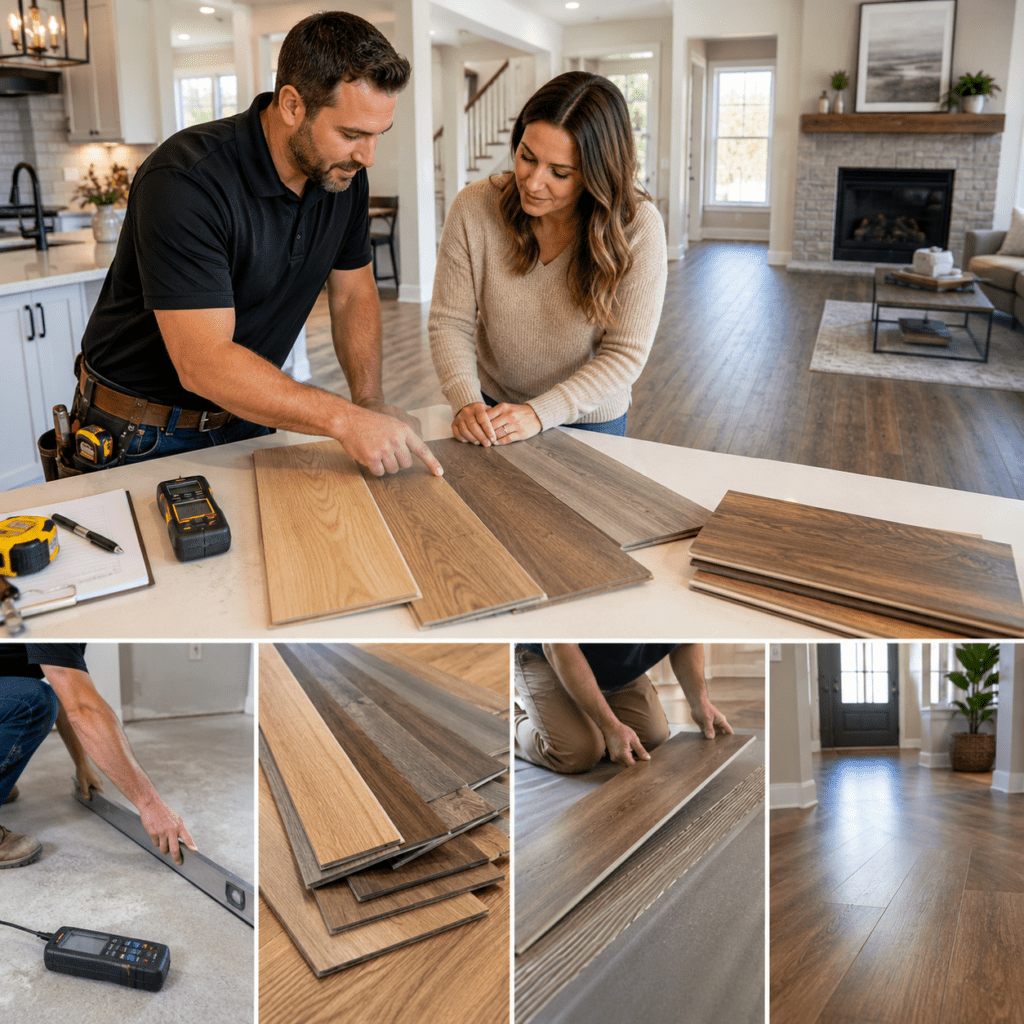
Step-by-Step: What a Professional Flooring Installation Should Look Like
A professional flooring project is a system: evaluation, prep, installation, and finishing. Here’s the process homeowners in Arlington should expect—regardless of material.
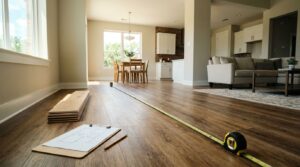
- In-home evaluation: measure, confirm subfloor type (slab/plywood), identify transitions, and discuss room usage.
- Product selection: choose material specs that match your home (wear layer, thickness, underlayment, slip resistance, VOC considerations).
- Written scope & itemized estimate: include demo, disposal, prep standards, trim plan, transitions, and warranty terms.
- Moisture testing: document readings and decide whether mitigation is required to meet manufacturer requirements.
- Acclimation (when required): allow materials to adjust to indoor conditions for stable performance.
- Subfloor prep: flatten/level to tolerances, patch, repair, and address cracks or movement areas.
- Installation: follow manufacturer method (float/glue/nail), maintain expansion gaps, and handle seams and patterns correctly.
- Finishing details: transitions, thresholds, trim, caulking, and cleanup; then final walkthrough and care instructions.
Pros and Cons of the Most Common Arlington Flooring Choices
If you’re deciding between Arlington TX hardwood vs vinyl plank, or tile vs LVP for kitchens, this quick breakdown helps you match expectations to performance.
LVP
Pros:
- Great water resistance for everyday spills
- Comfortable underfoot, quieter than tile
- Strong value for whole-home continuity
Cons:
- Needs flat subfloor to prevent movement and noise
- Heat from direct sun can require window treatments and expansion planning
Tile
Pros:
- Excellent for wet areas and high wear
- Handles heat well
- Long lifespan with proper prep
Cons:
- Harder and colder underfoot
- More labor-intensive; prep is non-negotiable
Engineered hardwood
Pros:
- Real wood surface with improved stability
- Premium look for living spaces
- Can support wide-plank aesthetics
Cons:
- Moisture still matters; not ideal for bathrooms
- Requires correct system on slabs
Laminate
Pros:
- Cost-effective, scratch-resistant options
- Good style range
Cons:
- Edge swelling if water gets into seams
- Not forgiving in spill-prone rooms
Choosing between these often comes down to the room and your tolerance for maintenance. If your priority is moisture performance across busy areas, start with waterproof-rated systems on our waterproof flooring page and compare them against tile for kitchens and bathrooms.
Best For: Matching Flooring to Your Lifestyle
Use these “best for” matches to reduce decision fatigue and choose flooring that fits how you actually live in your home.
- Busy families (kids + constant snacks): LVP or tile for easy cleanup and spill tolerance.
- Pet owners: textured LVP with a strong wear layer or tile in high-accident zones; avoid delicate high-gloss finishes.
- Entertainers: continuous LVP or engineered wood in main areas, tile at entries to handle grit and wet shoes.
- Allergy-sensitive households: hard surfaces with low-VOC installation methods and a maintenance plan.
- Rental properties: durable LVP or tile to reduce turnover maintenance and improve long-term value.
Who Should Avoid Certain Materials (and Why)
Every material has a “not for you” scenario. Avoiding mismatches is one of the fastest ways to prevent regret.
Avoid laminate if…
You have frequent spills, a wet-prone kitchen layout, or you want bathroom flooring without careful product selection and seam/edge protection. Water that reaches the core is the usual failure point.
Avoid solid hardwood on slab if…
Your home has a history of moisture issues, you can’t maintain consistent indoor humidity, or your installation plan doesn’t include slab-appropriate systems and testing. Consider engineered hardwood instead for better stability.
Avoid tile if…
You want the softest underfoot feel, you’re sensitive to standing on hard surfaces, or you can’t commit to correct prep. Tile can be perfect—but it’s not forgiving if the substrate isn’t right.
Expert Recommendations for Arlington Flooring Projects
If you want the shortest path to a floor that looks good and lasts, follow these field-tested recommendations that apply to most Arlington homes.
What we recommend most often
- Pick your installer first, then your product. The best material still fails with poor prep or incorrect installation.
- Demand moisture testing on slab installs. Get results documented and ensure the system meets manufacturer requirements.
- Budget for prep as a normal line item. Subfloor prep is not a “nice-to-have.”
- Choose realistic finishes. Matte and low-sheen floors hide dust and footprints better in everyday Texas living.
- Plan transitions early. Clean transitions are what make a remodel look professional.
When you’re ready to get specific, the most efficient next step is a consultation and an itemized plan. You can start on our JBN Flooring homepage to review services, then schedule through our contact page to discuss materials, prep needs, and timeline.
Design Trends Arlington Homeowners Are Using Right Now
Arlington homeowners are leaning toward flooring that feels modern but livable—materials that look warm, stay low-maintenance, and work in open layouts.
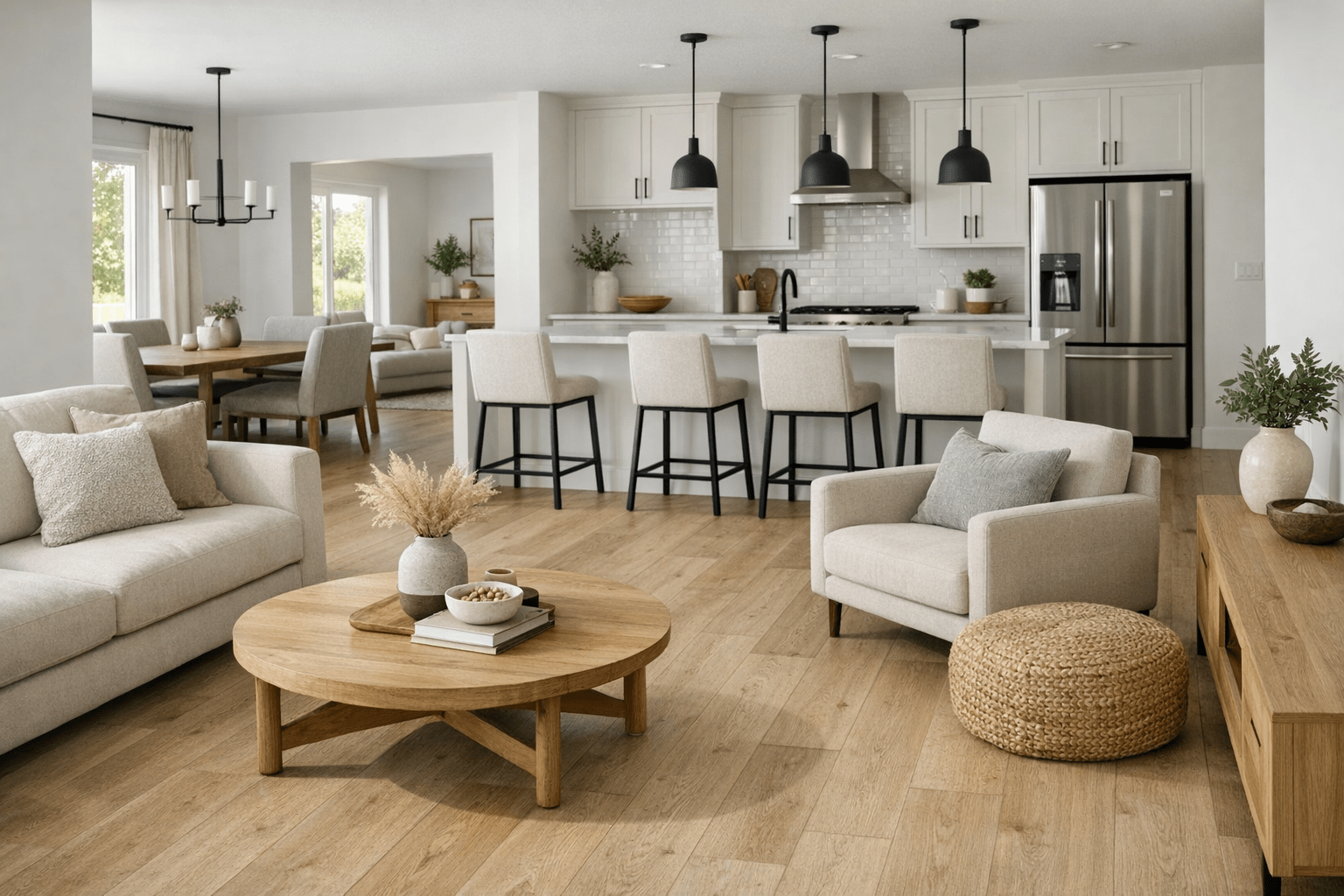
Wide-plank, neutral wood looks
Wide planks in natural tones are popular because they make rooms feel larger and pair well with modern Texas interiors—light walls, black accents, and warm metals.
Matte and low-sheen finishes
Homeowners are moving away from glossy floors. Matte hides dust and footprints better, especially in sunny rooms and high-traffic paths.
Warm, earthy tile palettes
In bathrooms and entryways, subtle stone looks and warm neutrals create a clean aesthetic that still feels inviting.
Consistent flooring in main living areas
Open layouts often look best when the main floor is consistent from living room through hallways, with transitions used only where moisture demands a change (like bathrooms and laundry rooms).
Pet-friendly textures and thicker wear layers
More families are choosing surfaces designed for real life—durable wear layers, textured finishes for traction, and easy-clean maintenance routines.
Frequently Asked Questions
What’s the best flooring for Texas heat and humidity in Arlington?
Porcelain tile and quality LVP are usually the most reliable because they handle temperature swings and everyday moisture well. Engineered hardwood can also work in living areas when humidity is controlled and the slab/subfloor is properly prepared.
How much does flooring in Arlington, TX cost per square foot installed?
Installed pricing commonly ranges from about $3–$18+ per sq. ft. depending on material and complexity. LVP and laminate are often lower; tile and engineered hardwood trend higher due to labor and prep requirements.
Is luxury vinyl plank better than hardwood for Arlington homes?
It depends on your priorities. LVP usually wins for water resistance and low maintenance. Hardwood (especially engineered) wins for authentic wood feel and premium aesthetics. On slab foundations, engineered hardwood is typically a safer wood option than solid.
Do I need moisture testing before installing floors on a concrete slab?
Yes. Moisture testing is a best practice and often a manufacturer requirement. It helps determine whether you need a vapor barrier, a moisture mitigation system, or a specific adhesive—protecting both performance and warranty eligibility.
What’s the most durable option for entryways and high-traffic areas?
Porcelain tile is one of the top performers for grit and traffic. Durable LVP is also a strong choice if you want a softer feel and fewer grout lines—just make sure the subfloor is flat and transitions are handled correctly.
Can LVP go in bathrooms?
Many LVP products can, but performance depends on the product rating and installation details (seams, edges, and perimeters). Tile remains the most traditional bathroom choice, especially for long-term water exposure.
How do I compare flooring bids fairly?
Require itemized estimates. Compare demo/disposal, subfloor prep standards, moisture testing/mitigation, underlayment, transitions, trim work, and written warranty terms. A cheaper bid often omits prep and finishing details.
How long does a typical flooring project take?
Many projects take a few days to over a week depending on square footage, demo, prep, and material. Build time in for acclimation and cure times—rushing those steps can lead to early damage.
What should I do if my floor is already lifting, gapping, or cracking?
Stop using water-heavy cleaning and document the issue with photos. The cause is often moisture or subfloor prep. A professional assessment can determine whether repair is possible; start with our floor repair service overview.
Where can I learn more about your company before scheduling?
You can review our background and service approach on the About JBN Flooring page, then reach out through our Contact page to request an itemized quote.
Conclusion: Choose the Right Material—But Prioritize the Right Installation
For most homeowners, the best flooring in Arlington, TX comes down to practical performance: LVP and porcelain tile cover the widest range of needs with fewer moisture and maintenance headaches, while engineered hardwood delivers real-wood appeal when installed with the right slab and humidity strategy. No matter what you choose, your long-term result depends on documented moisture testing, proper subfloor prep, and a clean finishing plan for transitions and trim.
Ready to Narrow Down the Best Flooring for Your Arlington Home?
Use this guide to compare materials, build a realistic budget, and interview installers confidently—then request itemized quotes so you can choose based on value, not guesswork.